Professional Services
Specialized consulting and research for Halifax port district architectural heritage
Architectural Heritage Documentation
Comprehensive research and documentation of historic port structures provides the foundation for informed decision-making about preservation, modification, or adaptive reuse.
What This Includes
- Historical research using archival records, building permits, fire insurance maps, and period documentation
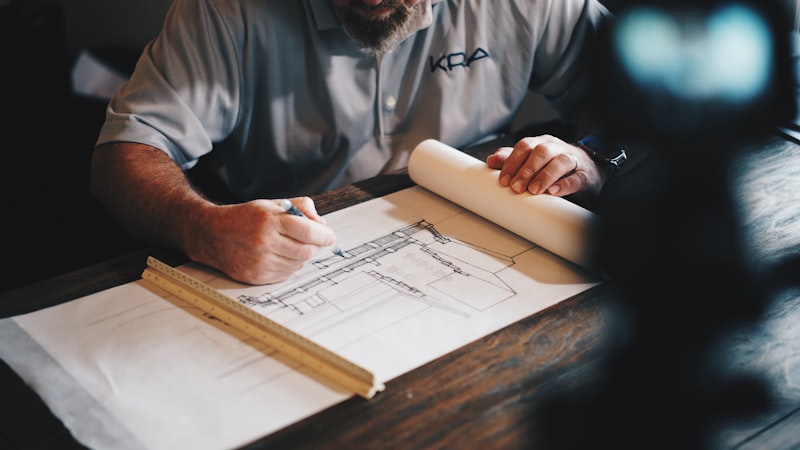
- Measured drawings of existing conditions, including floor plans, elevations, and construction details
- Photographic documentation of architectural features, materials, and current condition
- Analysis of construction methods, material choices, and subsequent modifications
- Written report contextualizing the structure within Halifax's maritime architectural development
Typical Applications
This service supports heritage designation applications, provides baseline documentation before renovation projects, assists with grant applications requiring historical analysis, and contributes to broader research on Atlantic Canadian maritime architecture.
Starting Rate
CAD 3,750.00
Waterfront Development Consulting
Projects involving historic port districts require specialized understanding of how maritime heritage considerations intersect with contemporary development objectives.
What This Includes
- Assessment of proposed development's relationship with existing heritage structures
- Guidance on appropriate scale, massing, and architectural expression for new construction
- Analysis of heritage preservation requirements and opportunities for adaptive reuse
- Strategic recommendations balancing economic objectives with heritage conservation
- Assistance navigating municipal heritage approval processes
Typical Applications
Developers planning mixed-use projects in historic waterfront areas utilize this service to understand heritage constraints and opportunities early in the design process. It helps identify potential complications before significant resources are committed and provides documented rationale for design decisions.
Starting Rate
CAD 5,200.00

Conservation Impact Assessment
When modifications are proposed for heritage structures, understanding which elements define architectural character and which can be altered is essential for maintaining integrity while accommodating new uses.
What This Includes
- Identification of character-defining architectural elements
- Assessment of proposed modifications against heritage conservation principles
- Evaluation of how changes affect the structure's relationship with surrounding context
- Recommendations for alternative approaches that better preserve heritage values
- Documentation suitable for heritage approval submissions
Typical Applications
Property owners planning renovations to heritage-designated buildings use this assessment to understand what modifications are likely to receive approval. It can identify problematic elements in preliminary designs before detailed drawings are prepared, saving time and reducing the risk of rejection.
Fixed Rate
CAD 2,850.00
Port District Urban Analysis
Understanding how maritime port districts function as urban environments—their spatial organization, circulation patterns, and public realm characteristics—informs both preservation strategies and new development approaches.
What This Includes
- Mapping of historic lot patterns, street networks, and building relationships
- Analysis of pedestrian and vehicular circulation patterns
- Assessment of public space utilization and accessibility
- Examination of view corridors and visual relationships between waterfront and upland areas
- Recommendations for urban design interventions consistent with historic district character
Typical Applications
Municipal planning departments use this analysis when developing policies for historic waterfront districts. It also supports developers seeking to understand how proposed projects integrate with existing urban fabric, and informs public realm improvement projects in heritage areas.
Starting Rate
CAD 4,100.00

Working Process
Initial Consultation
We begin by understanding your project objectives, constraints, and timeline. This conversation helps determine which services are most relevant and how they should be scoped.
Research and Analysis
Depending on the service, this phase involves archival research, site visits, documentation work, and analysis of relevant policies or precedents. Duration varies by project complexity.
Reporting and Recommendations
Findings are compiled into written reports with supporting documentation. We present recommendations in formats appropriate to their intended use—whether for internal planning, municipal submissions, or stakeholder communication.
Follow-up Support
After initial delivery, we remain available for questions, clarifications, or additional analysis as projects evolve. Many clients return for subsequent phases as development progresses.
Request Service Information
Provide details about your project and we'll respond with information about how our services can assist.